


Access Point Explained: How to Improve Your Network Performance
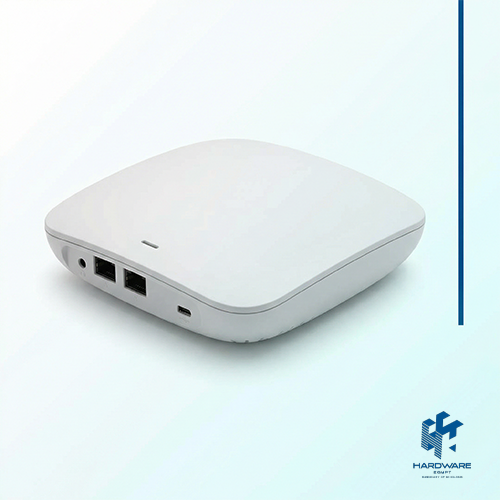
As we all know, the internet is a big part of our lives, and we depend on it every day. Businesses have particularly moved all of their work to be mostly dependent on the internet. Therefore, they need to have an access point within. An access point helps extend and improve wireless network coverage so you can have better internet performance.
In this article, we will talk about the Access Point in detail and how it affects businesses and their benefits.
What is an access point?
An access point is a wireless device that helps share your internet connection with your phones, laptops, and other devices. Instead of depending on a single router, an access point spreads the internet signal to more spaces. This helps reduce weak signal places and keeps your connection stable.
Difference Between Access Point vs Router
Router: This is usually the main device. It connects your home or office network to the internet. It connects through your service provider. It manages traffic between your devices and the internet. It is the main internet control center.
Access Point: Focuses on expanding wireless coverage. It does not usually create the internet connection itself; it helps distribute an existing connection to more areas.
Why Access Points Are Important for Modern Networks
Access Point helps businesses in several ways, such as:
- Improves Wi-Fi coverage in large spaces.
- Reduces slow speeds caused by distance from the router.
- Supports many users and devices without network overload
- Improves stability.
Common Uses of Access Points in Homes and Offices
At Homes:
Access points are commonly used to:
- Extend Wi-Fi to many rooms.
- Improve streaming quality for movies and online games.
- Support smart home devices such as smart TVs
- Reduce internet interruptions while watching videos online
In Offices:
Access Point helps businesses maintain strong network performance by:
- Supporting many employees using Wi-Fi at the same time.
- Improving internet communication.
- Ensuring smooth sharing across departments.
How Access Point Works
-
Basic Network Signal Distribution:
The Access Point helps distribute those signals evenly across the specific area. It helps make sure users do not have weak or interrupted connections just because they are far from the main router.
This is especially useful for large spaces and busy offices with many floors and employees who are online at the same time.
-
Expanding WiFi Coverage Using Access Points:
An access point can be installed in many places to expand Wi‑Fi coverage beyond what one router can handle. For example:
- Place an Access Point upstairs if the router is downstairs
- Install one in the office hallway to cover more workstations
- Use many access points in large buildings.
-
Improving Internet Stability and Speed:
Many people think that faster internet always depends on their internet speed. But network equipment also plays a big role.
An access point helps improve internet stability because it:
- Reduces signal interference
- Balances network traffic among devices
- Provides a more direct connection to the network
Adding an access point helps distribute the load more evenly and make work more effective.
-
Reducing Dead Zones in Large Spaces:
Dead zones are areas where Wi-Fi signals become weak. They usually happen because there is something that can block wireless signals.
An access point helps reduce these dead zones by placing extra Wi-Fi signal sources around the space. Common dead zone locations include basement rooms, far corners, and meeting rooms inside thick concrete buildings.
Types of Access Point Devices
Indoor Access Points:
are the most common type used. They work inside buildings where walls and furniture can have an impact on the signal strength, which may cause the network be weak. They are usually small, lightweight, and easy to install. They are great for apartments and houses, small offices, classrooms, and indoor workspaces.
Outdoor Access Points:
are built with stronger materials to handle weather conditions such as heat, dust, or rain. These devices are stronger and more durable. They are commonly used in outdoor seating areas, large businesses, and open campuses. In addition, they help businesses and homes extend network coverage to outdoor spaces
Enterprise Access Points:
Enterprise access points are suitable for large organizations, companies, and areas with high-traffic work.
This type of access point can support hundreds of users at the same time without slowing down the network. They are more advanced and usually include better security features and network management tools. They are commonly used in large companies and universities.
Benefits of Using an Access Point
-
Better WiFi Coverage:
An access point helps spread Wi-Fi signals to more areas instead of having only one signal source. If your office has many rooms or thick walls that block signals. So, you can move freely around your workplace without losing connection.
-
Higher Network Performance:
While it does not directly increase your internet speed plan, it helps you use your available speed more efficiently. It does this by:
- Reducing network load
- Improving signals to be clear.
- Providing more stable connections.
Supports Multiple Users At the Same Time:
Most workplaces have many devices online at the same time, and they share one network.
An Access Point helps distribute networks so that many users can connect without facing frequent disconnections. This is very important for offices with many employees and public spaces.
Perfect for Offices and Businesses:
Because they need strong and stable networks to serve customers and employees. Access point systems to provide internet access, such as in conference areas. Offices use them to support their daily work and operations.
To sum it all up, an access point is a simple device that helps improve your network experience. It provides you with better WiFi coverage, higher network performance, and stable connections for many users. This makes it very useful in many places, such as offices and organizations.
Select an access point based on your space size and device count. Also, decide if you need indoor or outdoor coverage.
If you want stronger Wi-Fi and fewer connection problems, start checking our access point products on our website now!
Do not let weak signals affect your business!